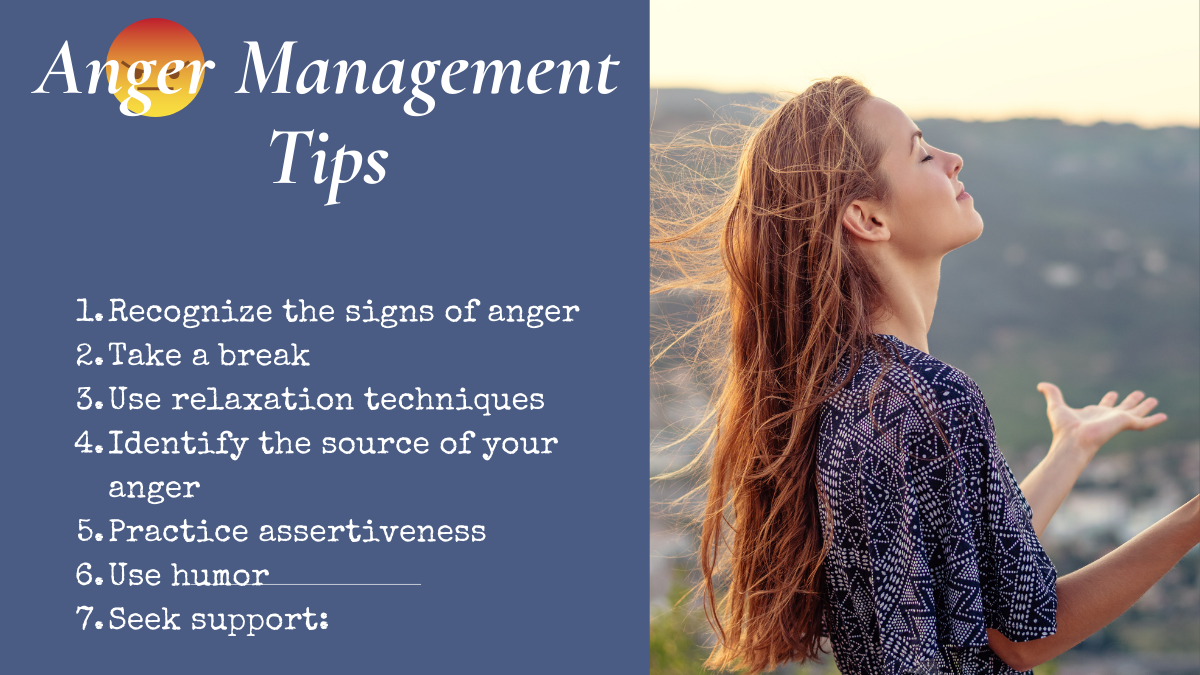
Anxiety is a normal and adaptive response to stress or a perceived threat. It’s a natural part of the human experience and can serve as a protective mechanism, prompting individuals to be cautious or alert in the face of danger. However, when anxiety becomes excessive, persistent, or interferes with daily life, it may be considered an anxiety disorder.
Key features of anxiety disorders include:
Excessive Worry: People with anxiety disorders often experience intense and persistent worry about a wide range of situations or events. This worry may be disproportionate to the actual threat.
Physical Symptoms: Anxiety can manifest physically, leading to symptoms such as muscle tension, restlessness, fatigue, irritability, difficulty concentrating, and sleep disturbances.
Avoidance Behaviors: Individuals may start avoiding certain situations or activities that they associate with anxiety, which can impact their daily functioning and quality of life.
Social and Occupational Impairment: Anxiety disorders can affect social relationships, work performance, and overall functioning in various life domains.
There are several types of anxiety disorders, including:
– Generalized Anxiety Disorder (GAD): Characterized by excessive worry about a variety of topics, even when there is little or no reason to worry.
– Panic Disorder: Involves recurrent panic attacks, which are sudden and intense episodes of fear or discomfort.
– Social Anxiety Disorder: Involves an intense fear of social situations and a fear of being judged or embarrassed in public.
– Specific Phobias: Involves an intense fear of a specific object, situation, or activity.
– Obsessive-Compulsive Disorder (OCD): Involves intrusive, unwanted thoughts (obsessions) and repetitive behaviors or mental acts (compulsions) performed to reduce anxiety.
– Post-Traumatic Stress Disorder (PTSD): Occurs in individuals who have experienced a traumatic event, leading to symptoms such as flashbacks, nightmares, and severe anxiety.
Treatment and Management:
Therapy: Cognitive-behavioral therapy (CBT) is often effective in treating anxiety disorders. It helps individuals identify and change negative thought patterns and behaviors.
Medication: Antidepressant and anti-anxiety medications may be prescribed to help manage symptoms, especially in cases of severe anxiety.
Lifestyle Changes: Regular exercise, adequate sleep, and a healthy diet can positively impact mental well-being and reduce anxiety.
Mindfulness and Relaxation Techniques: Practices such as mindfulness meditation, deep breathing exercises, and progressive muscle relaxation can help manage anxiety.
Social Support: Building a strong support system and confiding in friends, family, or a mental health professional can provide emotional support.
It’s important for individuals experiencing symptoms of anxiety to seek professional help. A mental health professional can provide an accurate diagnosis and develop a treatment plan tailored to the individual’s specific needs. If you or someone you know is struggling with anxiety, consider reaching out to a mental health professional or a healthcare provider for assistance.
Optimal Health: Health, Wealth, Happiness Health Holistic HealthThis approach to health looks at the whole person—body, mind, and spirit—rather than just treating individual symptoms. It involves practices like nutrition, physical…
Comments Off on Optimal Health: Health, Wealth, Happiness | 2025
January 16, 2025
नकारात्मकता के समय में स्वयं से पूछने के लिए जरूरी प्रश्न (Essential questions to ask yourself in times of negativity)
नकारात्मकता के समय में स्वयं से पूछने के लिए जरूरी प्रश्न (Essential questions to ask yourself in times of negativity) नकारात्मकता अक्सर एक काले बादल की तरह महसूस हो सकती…
Comments Off on नकारात्मकता के समय में स्वयं से पूछने के लिए जरूरी प्रश्न (Essential questions to ask yourself in times of negativity)
Contains information related to marketing campaigns of the user. These are shared with Google AdWords / Google Ads when the Google Ads and Google Analytics accounts are linked together.
90 days
__utma
ID used to identify users and sessions
2 years after last activity
__utmt
Used to monitor number of Google Analytics server requests
10 minutes
__utmb
Used to distinguish new sessions and visits. This cookie is set when the GA.js javascript library is loaded and there is no existing __utmb cookie. The cookie is updated every time data is sent to the Google Analytics server.
30 minutes after last activity
__utmc
Used only with old Urchin versions of Google Analytics and not with GA.js. Was used to distinguish between new sessions and visits at the end of a session.
End of session (browser)
__utmz
Contains information about the traffic source or campaign that directed user to the website. The cookie is set when the GA.js javascript is loaded and updated when data is sent to the Google Anaytics server
6 months after last activity
__utmv
Contains custom information set by the web developer via the _setCustomVar method in Google Analytics. This cookie is updated every time new data is sent to the Google Analytics server.
2 years after last activity
__utmx
Used to determine whether a user is included in an A / B or Multivariate test.
18 months
_ga
ID used to identify users
2 years
_gali
Used by Google Analytics to determine which links on a page are being clicked
30 seconds
_ga_
ID used to identify users
2 years
_gid
ID used to identify users for 24 hours after last activity
24 hours
_gat
Used to monitor number of Google Analytics server requests when using Google Tag Manager
1 minute
You can find more information in our Cookie Policy and .