Tips To Lose 10 Pounds
Tips To Lose 10 Pounds Tips To Lose 10 Pounds. Although some people find themselves dealing with more serious weight problems, most people who want to lose a little weight…
1 Comment
November 28, 2021


Weight management refers to the process of maintaining healthy body weight through a combination of diet, exercise, and lifestyle changes. It involves monitoring and controlling one’s weight in order to maintain a healthy balance between the number of calories consumed and the number of calories burned.
There are several key principles of weight management, including:
It is important to remember that weight management is a long-term process that requires commitment and effort. It is also important to consult with a healthcare professional before starting any weight management program to ensure that it is safe and appropriate for your individual needs and health status.
Earn everything you want about Weight Management with the Optimal Health Weight Management Category.
Maintaining a healthy weight is essential for overall well-being. In today’s fast-paced world, where sedentary lifestyles and unhealthy eating habits prevail, effective weight management has become more important than ever. This article will guide you through the principles of weight management, offering valuable insights and tips to help you achieve and maintain a balanced and healthy weight.
Incorporating proper weight management practices is crucial to prevent a myriad of health issues. From heart diseases and diabetes to joint problems and mental health concerns, excess weight can contribute to various medical conditions.
Understanding the science of weight gain and loss is essential for effective weight management. Consuming more calories than your body expends leads to weight gain, while a calorie deficit results in weight loss. However, factors like metabolism, genetics, and hormonal imbalances also play significant roles.
Embarking on a weight management journey requires setting achievable goals. Instead of aiming for drastic weight loss, focus on gradual, sustainable changes that will yield long-term results.
Controlling portion sizes is key to weight management. Be mindful of portion sizes to avoid overeating and ensure a balanced intake of nutrients.
Opt for nutrient-dense foods such as fruits, vegetables, lean proteins, whole grains, and healthy fats. These foods provide essential nutrients while keeping calories in check.
Engaging in regular physical activity boosts metabolism and aids in weight management. Find exercises you enjoy to make fitness a sustainable part of your lifestyle.
Incorporate strength training exercises to build lean muscle mass. Muscle burns more calories at rest, contributing to effective weight management.
Consistency is key to successful weight management. Stick to your healthy eating and exercise routines, even on challenging days.
Keep track of your progress to stay motivated. Regularly monitor your weight, measurements, and fitness achievements to celebrate your successes.
Plateaus are common in weight management journeys. Adjust your exercise routine and dietary habits to overcome these periods of stalled progress.
Cravings can derail your efforts. Opt for healthier alternatives to satisfy your cravings and prevent overindulgence.
Effective weight management is a journey that requires dedication, patience, and consistent effort. By understanding the principles of balanced nutrition, regular exercise, and maintaining a positive mindset, you can achieve and maintain a healthy weight. Remember, every small step you take towards a healthier lifestyle brings you closer to your goals.
A: Results vary from person to person, but gradual changes usually yield sustainable results over time.
A: Occasional treats are fine, but moderation is key. Incorporate them into your overall balanced diet.
A: There’s no one-size-fits-all approach. It’s best to consult a nutritionist to create a personalized plan.
A: Staying hydrated aids metabolism and can help control appetite. Drink water throughout the day.
A: Sleep is crucial for weight management. Lack of sleep can disrupt hormones related to appetite and metabolism.
Tips To Lose 10 Pounds Tips To Lose 10 Pounds. Although some people find themselves dealing with more serious weight problems, most people who want to lose a little weight…
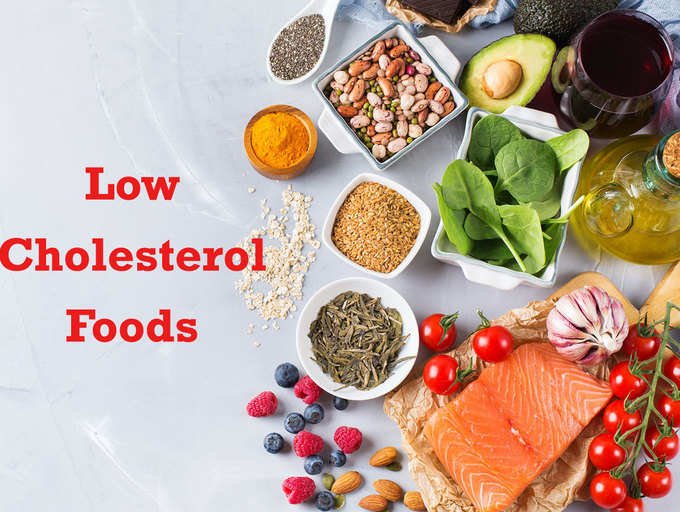
Food To Consume To Lower Cholesterol Food To Consume To Lower Cholesterol. “We are what we eat”. How true this saying is! The food we eat determines the cholesterol levels…
How To Lower Your Cholesterol? Understanding Cholesterol Levels How To Lower Your Cholesterol? Understanding Cholesterol Levels. More than half of the world today has high cholesterol. What this means is…
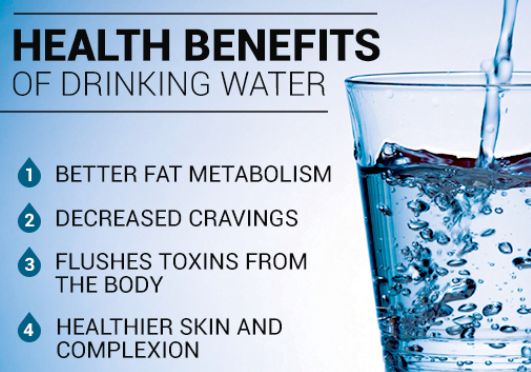
Drinking-Water And Weight Loss Does It Work Is there a link between drinking water and weight loss? Yes and one that has been scientifically proven. Drinking water with or after…

Do You Want to Lose 6 Pounds in Just 1 Week? Do You Want to Lose 6 Pounds in Just 1 Week? While many diets are geared at people who…

5 Reasons Why You Should Start Eating Plant-Based Foods. 5 Reasons Why You Should Start Eating Plant-Based Foods. Today As our society evolves, we are constantly facing the need to…

How To Stick To The Weight Loss Goals You Have Set? How To Stick To The Weight Loss Goals You Have Set? Sticking with your plans is beneficial when seriously…

The Goals Are Important In Body Image The Goals Are Important In Body Image. Indeed, body image can affect the way you live and the tasks that you need to…
Weight Loss: Part 10/10-Weight Loss Surgery: Preventing the Health Risks Weight Loss: Part 10/10-Weight Loss Surgery: Preventing the Health Risks. If you have been watching your weight go up and…

Weight Loss: Part 9/10-The Advantages of Weight Loss Patch Weight Loss: Part 9/10-The Advantages of Weight Loss Patch. Finally, for severely obese people who have been unable to lose weight…
Weight Loss: Part 8/10-Natural Weight Loss: When you do not have to Go Over Weight Loss: Part 8/10-Natural Weight Loss: When you do not have to Go Over. Eat right,…

Weight Loss: Part 7/10-Nutrition Notes on Weight Loss Supplements Weight Loss: Part 7/10-Nutrition Notes on Weight Loss Supplements. More and more spend hundred and even thousands of dollars yearly on…